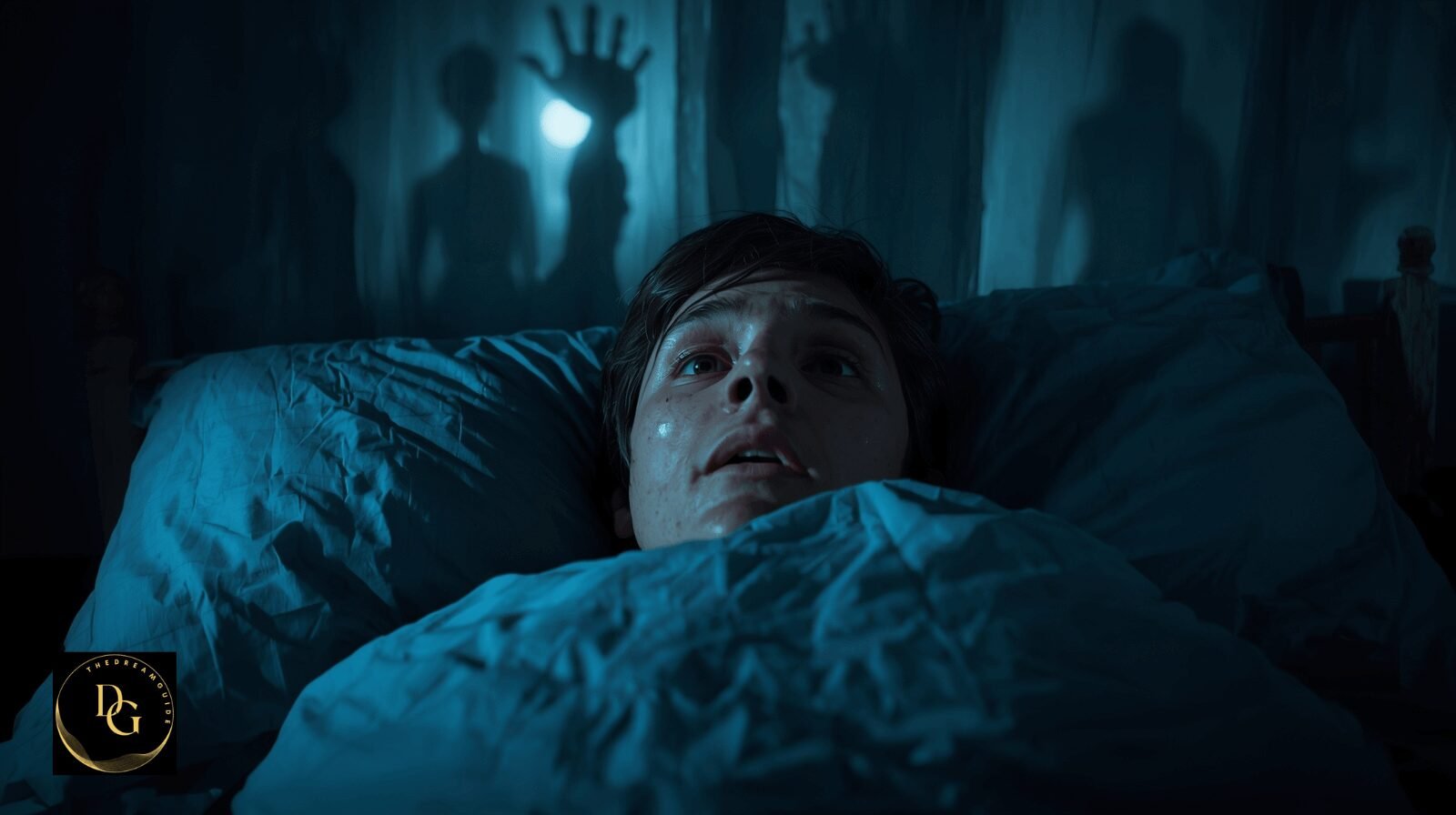
The anxiety dreams go far beyond random nighttime fears — they reveal what your mind and spirit are truly struggling to express. Everyone has experienced a stress dream that leaves the heart racing and the mind uneasy. You wake up with sweat on your forehead, feeling as though the dream world has magnified every hidden fear you try to suppress during the day. These distressing dreams are not meaningless; they carry deep emotional and spiritual significance.
In both psychology and spirituality, anxiety dreams symbolize a bridge between stress and anxiety, connecting conscious worry with subconscious truth. Many spiritual interpretations believe these dreams are powerful messages — a form of unseen energy guiding your emotional healing, self-awareness, and inner balance.
Understanding the meaning behind anxiety dreams helps decode what your mind and soul are trying to express when words fail. Whether it’s running endlessly, falling from a height, being chased, or losing control, anxiety dreams reflect suppressed emotions, unresolved conflicts, or even signs of anxiety disorder in waking life.
Quick Answer:
Contents
- 1 Quick Answer:
- 2 The Psychology Behind Anxiety Dreams
- 3 Spiritual Meaning of Anxiety in Dreams
- 4 Why Do My Anxiety Dreams Feel So Real?
- 5 Can Anxiety Cause Nightmares?
- 6 What Does It Mean When I Wake Up Anxious After a Dream?
- 7 Cortisol and Adrenaline — The Hidden Hormones in Your Dreams
- 8 Emotional Energy and Dream Anxiety
- 9 Hidden Stress Under the Surface
- 10 Dream Meaning Anxiety in Different Cultures
- 11 Nightmares vs. Anxiety Dreams: The Hidden Difference
- 12 How Anxiety Dreams Reflect Your Subconscious Mind
- 13 Scientific Insight: Why Stress Influences Dreams
- 14 Techniques to Reduce Dream-Induced Anxiety
- 15 Spiritual Protection Practices for Restful Sleep
- 16 Cultural and Religious Case Studies
- 17 Dream Anxiety and Real-Life Parallels
- 18 Decoding Symbols in Anxiety Dreams
- 19 The Hidden Language of Anxiety Dreams
- 20 How Lifestyle Affects Anxiety Dreams
- 21 Gender and Age Differences in Anxiety Dreams
- 22 The Cycle of Anxiety and Sleep Disturbance
- 23 Psychological Healing Through Dream Awareness
- 24 Spiritual Rituals for Peaceful Dreaming
- 25 Modern Therapeutic Methods for Dream Anxiety
- 26 Real-Life Examples of Dream Anxiety and Recovery
- 27 Being Unable to Speak or Move
- 28 FAQs
- 29 References
- 30 Final Conclusion
The anxiety dreams typically represents unresolved stress, fear of failure, emotional overload, or spiritual imbalance. Psychologically, these dreams occur when your subconscious processes worry or trauma you avoid consciously. Spiritually, they can signify blocked energy or a divine reminder to realign your life path.
The Psychology Behind Anxiety Dreams
Anxiety dreams are a natural expression of your brain’s emotional regulation system. During the REM phase of sleep, the brain consolidates memories and emotions. If stress or anxiety remains unresolved, your subconscious dramatizes it through symbolic dream imagery — sometimes linked to generalized anxiety disorder or overactive thought patterns.
Common themes include:
-
Being chased → avoidance or inner conflict
-
Falling → loss of control or fear of failure
-
Missing something important → insecurity or perfectionism
-
Being trapped → emotional suffocation or burnout
Researchers believe these dreams are coping mechanisms — your psyche’s way of creating emotional balance and releasing stored tension.
Spiritual Meaning of Anxiety in Dreams
Spiritually, anxiety dreams signal imbalance in your energy field. They often occur when your spiritual vibration is disturbed by worry, guilt, or disconnection from purpose. This can mirror what dreams that cause panic attack sensations. spiritual-meaning-of-fire-in-a-dream feel like — vivid, overwhelming, yet spiritually instructive.
In different faiths, such dreams serve as reminders to ground yourself and reconnect. Practicing relaxation techniques such as prayer, deep breathing, or meditation can bring calm and emotional harmony.
Why Do My Anxiety Dreams Feel So Real?
The Science of Vivid Dream Anxiety
Anxiety dreams often feel intensely real because they occur during the REM (Rapid Eye Movement) stage, where emotional memory becomes highly active. During this stage, the brain’s amygdala — responsible for fear and emotional processing — fires as if you are actually facing danger.
That’s why, even though you are safe in bed, your body responds physically: racing heart, sweating, or shortness of breath. The dream meaning anxiety reflects your brain rehearsing responses to perceived threats in a safe dream space.
Spiritual and Psychological Layers
Spiritually, vivid anxiety dreams can be interpreted as messages from the soul — signals to realign your thoughts and release suppressed energy. Psychologically, the realism helps the brain store and categorize emotional memories more effectively.
When you wake up feeling as if the dream “really happened,” it’s because emotionally, it did. The dream meaning anxiety here shows your mind’s effort to transform emotional chaos into understanding through symbolic experience.
Can Anxiety Cause Nightmares?
Absolutely. Anxiety and stress dreams are directly linked. When cortisol and adrenaline rise, your body replays tension through vivid dream scenes — like being chased, drowning, or trapped.
Working with a mental health professional or applying nightly relaxation techniques can significantly reduce such dream frequency. Meditation, journaling, or mindful breathing before bed help manage both stress or anxiety and restless sleep.
How to Reduce Anxiety Nightmares
To minimize them, address your daytime anxiety first. Avoid caffeine late in the day, establish a peaceful bedtime ritual, and create emotional closure before sleeping. Spiritually, light meditation or prayer can calm your energy field, reducing anxiety’s grip over your dream state.
By restoring emotional balance, the dream meaning anxiety shifts from distress to guidance — transforming fear-filled nightmares into insight-driven dreams.
What Does It Mean When I Wake Up Anxious After a Dream?
Emotional Energy That Crosses Into Wakefulness
Waking up with anxiety after a dream means that the emotions you processed while asleep are still active. This happens because your body doesn’t distinguish between dream stress and real-life stress — the adrenaline, heart rate, and breathing patterns remain elevated.
The dream meaning anxiety here points to unresolved inner pressure or emotional overload that hasn’t been released. When you wake up uneasy, your dream’s message is clear: your mind is begging for rest and clarity.
How the Brain Creates Anxiety Dreams
During REM sleep (Rapid Eye Movement), the brain becomes active while the body rests. This is when vivid dreams occur.
Neuroscientists found that during REM, the amygdala — the brain’s fear center — is highly active.
So, when you’re anxious or stressed, the amygdala projects fear-based scenarios into your dreams. That’s why you often dream of falling, drowning, being chased, or losing control.
Thus, the dream meaning anxiety scientifically points toward your brain’s effort to process stored fear safely.

Cortisol and Adrenaline — The Hidden Hormones in Your Dreams
When you experience stress, your body releases cortisol (the stress hormone) and adrenaline (the fight-or-flight hormone).
Even after you fall asleep, these hormones remain active and influence dream content.
High cortisol levels cause disturbing dream imagery or panic sensations.
This explains why anxiety dreams feel physically intense — your heart races, you wake up sweating, or you can’t move.
In short, the dream meaning anxiety is not only emotional but biological.
Emotional Energy and Dream Anxiety
Your dreams are emotional mirrors. When you feel anxious in a dream, your subconscious is showing you how much emotional energy you’re wasting on fear. The dream meaning anxiety becomes a reminder to shift focus from worry to healing.
Meditation, journaling, and affirmations can help release emotional stress and improve dream clarity.
Hidden Stress Under the Surface
Many people live apparently stable lives — a job, family, and routine — yet repeatedly experience anxiety dreams. This happens because the subconscious holds suppressed worries. Your conscious mind may deny them, but your dream state brings them to light.
This dream meaning anxiety layer teaches that ignoring emotional pain doesn’t erase it; it simply relocates it to the subconscious, where it reemerges symbolically.
Dream Meaning Anxiety in Different Cultures
In ancient civilizations, dreams of fear and tension were viewed as divine communication:
- Greek tradition: Anxious dreams were omens from the gods guiding moral correction.
- Egyptian texts: Fearful dreams warned of imbalance between ka (soul) and body.
- Native American belief: Anxiety dreams reflected spiritual disconnection from ancestors or nature.
Across cultures, the consistent thread is that fear in dreams points toward the need for realignment.
Understanding Emotional Triggers Behind Anxiety Dreams
Every anxious dream begins with an emotional spark — a hidden stressor from your waking life that seeps into your subconscious. When unresolved emotions accumulate, they surface in symbolic ways during sleep.
The dream meaning anxiety often links to:
- Uncertainty or fear of change: You may dream of losing control, falling, or being late.
- Repressed trauma: Dreams replay unhealed experiences your mind cannot fully process.
- Relationship stress: Unspoken tension with loved ones can manifest as chasing or argument dreams.
- Work or study pressure: Feeling unprepared or judged often transforms into examination or deadline dreams.
When you identify emotional triggers, the dream meaning anxiety becomes clearer — it’s not random, but a mirror showing what your spirit and psyche are resisting.
Nightmares vs. Anxiety Dreams: The Hidden Difference
At first glance, nightmares and anxiety dreams seem identical, but they serve different psychological purposes.
| Feature | Nightmares | Anxiety Dreams |
|---|---|---|
| Purpose | Release of trauma or fear memory | Reflection of ongoing stress |
| Emotional tone | Terrifying, intense, may wake you up | Uncomfortable, tense, uncertain |
| Common symbols | Monsters, death, dark chases | Falling, being unprepared, confusion |
| Spiritual interpretation | Dark energy or psychic imbalance | Subconscious cry for peace |
The dream meaning anxiety is typically gentler than a nightmare — it doesn’t shock but unsettles, suggesting ongoing emotional unrest rather than deep-seated trauma.
How Anxiety Dreams Reflect Your Subconscious Mind
Your subconscious communicates through symbols, not sentences. When it can’t express worry directly, it translates anxiety into visual metaphors.
Examples include:
- Lost shoes or clothes: Fear of losing identity or self-respect.
- Being unprepared for an exam: Feeling inadequate in real life.
- Endless running: Avoidance of inner conflict or responsibility.
- Broken mirrors or glass: Shattered self-image or guilt.
These symbols tell your subconscious story. By decoding them, you unlock emotional clarity. Understanding the dream meaning anxiety means understanding yourself.
Scientific Insight: Why Stress Influences Dreams
According to sleep research from Harvard and Stanford, chronic stress activates the limbic system — the brain’s emotional center — during REM sleep. This overactivation leads to more vivid, emotionally charged dreams.
When you experience prolonged anxiety, cortisol levels remain high, preventing deep rest. As a result, your dreams turn into a processing ground for stress, creating cycles of restlessness.
In short, your brain uses the dream meaning anxiety as a coping tool — replaying fears in symbolic ways until they can be released or understood.
Techniques to Reduce Dream-Induced Anxiety
You can reduce the frequency and intensity of anxiety dreams with intentional mental and spiritual practices. Below are proven methods:
Maintain a Dream Journal
Immediately record your dreams upon waking. Over time, patterns emerge that reveal emotional triggers behind your dream meaning anxiety.
Practice Grounding Before Sleep
Take 5 minutes each night to sit quietly, breathe deeply, and visualize roots connecting your body to the earth. Grounding balances the nervous system and reduces anxious imagery.
Affirmations of Safety
Repeat phrases such as “I am safe and guided in my dreams” or “My sleep restores peace and clarity.” These positive intentions influence the subconscious mind directly.
Avoid Negative Stimulation
Limit news, violent media, and caffeine before bed — they all elevate cortisol, which can intensify dream anxiety meaning patterns.
Meditative Reflection
If a dream unsettles you, meditate on its symbols instead of fearing them. Each image holds a message. For example, if you dream of falling, ask yourself: Where in my waking life do I feel unsupported?
Spiritual Protection Practices for Restful Sleep
Anxiety dreams can also be mitigated through spiritual hygiene. Many traditions teach that the energies surrounding us affect our dream states. Protecting your spiritual space before rest creates safety and balance.
- Cleansing rituals: Burn incense, sage, or recite verses/prayers to clear heavy energy.
- Sleep environment: Keep your bedroom decluttered and calm; negative energy feeds anxiety.
- Energy shielding: Visualize a white light surrounding you before sleep — an ancient method for energetic protection.
- Faith-based recitation: In Islam, reciting Ayat al-Kursi; in Christianity, Psalm 91; in Hinduism, chanting mantras of peace — all anchor the soul in divine security.
The dream meaning anxiety often decreases when spiritual protection becomes a daily habit.
Cultural and Religious Case Studies
Islamic Interpretation
In Islamic dream studies, anxiety-related dreams (ru’ya) are often linked to the whispering of Shaitan or reflections of worldly attachment. Prophet Muhammad (PBUH) advised that if one sees a disturbing dream, they should seek refuge in Allah, spit lightly to the left three times, and not disclose the dream to anyone. This practice neutralizes fear energy.
Christian Perspective
In Christian theology, anxiety dreams symbolize a lack of faith or overreliance on worldly control. These dreams invite believers to “cast their cares upon God.” The dream meaning anxiety in this faith context is a spiritual reminder to surrender ego and embrace divine timing.
Hindu and Buddhist View
Here, anxious dreams reflect disharmony in the mind-body-spirit connection. The dream meaning anxiety is seen as karmic energy manifesting in symbolic form — urging self-purification and compassion toward oneself.
Modern Psychology
Carl Jung described anxiety dreams as encounters with the “shadow self.” The dream doesn’t attack you; it introduces you to your hidden emotional self, waiting to be healed.
Dream Anxiety and Real-Life Parallels
Dreams of anxiety often parallel daytime experiences. For example:
- A student overwhelmed by exams dreams of missing a test.
- A parent juggling responsibilities dreams of losing a child.
- A professional fearing failure dreams of public embarrassment.
When these parallels are recognized, dream anxiety transforms into insight. You learn where change, acceptance, or healing is needed.
Decoding Symbols in Anxiety Dreams
Every anxious dream contains symbols that speak the language of your subconscious. Understanding these symbols helps decode the true dream meaning anxiety represents.
Below are some of the most common symbolic themes:
Falling or Sinking
Falling dreams reflect loss of control, uncertainty, or fear of failure. They show that your foundation—emotional, financial, or spiritual—feels unstable. Spiritually, it can mean you’re resisting a life lesson or divine redirection.
Being Chased
When you’re chased in a dream, it represents avoidance. The person or entity chasing you symbolizes emotions or situations you refuse to face consciously. The dream meaning anxiety here is a call to confront inner fear instead of escaping it.
Being Late or Missing Something
This symbolizes pressure, time anxiety, or guilt over lost opportunities. It’s your inner self saying, “Slow down.” Spiritually, it may reflect fear of missing your destiny or purpose.
Losing Your Voice
Dreams where you can’t speak represent repressed expression. The dream meaning anxiety in such cases connects to suppressed truth, fear of being unheard, or emotional suffocation.
The Hidden Language of Anxiety Dreams
Dreams are the subconscious mind’s visual poetry. When you experience fear, guilt, or confusion in daily life, the subconscious transforms it into metaphoric imagery to communicate deeper truths.
For instance:
- Storms or floods represent emotional overwhelm.
- Broken mirrors reveal conflict with self-image.
- Dark tunnels symbolize spiritual testing.
- Lost paths point toward confusion about purpose.
By analyzing such details, you uncover the spiritual dream meaning anxiety beyond mere emotion — a direct reflection of your soul’s healing process.
How Lifestyle Affects Anxiety Dreams
Scientific studies show that the following increase anxiety dream frequency:
- High caffeine or alcohol use before bed
- Irregular sleep schedule
- Excessive screen time (especially before sleep)
- Emotional stress or overthinking at night
Improving these factors reduces the recurrence of disturbing dreams and helps stabilize your dream meaning anxiety into calmer, more balanced imagery.
Gender and Age Differences in Anxiety Dreams
- Women often experience dreams of emotional loss or failure due to higher relational sensitivity and hormonal fluctuations.
- Men tend to dream about conflict, chase, or danger — reflecting performance-related fears.
- Children often have anxiety dreams due to imaginative fears or learning new boundaries.
The universal dream meaning anxiety remains consistent: it’s the subconscious mind’s attempt to manage fear and adapt to new experiences.
The Cycle of Anxiety and Sleep Disturbance
Chronic anxiety leads to poor sleep quality, and poor sleep increases anxiety — forming a psychological feedback loop.
Anxiety dreams are a symptom of this cycle.
During REM sleep, your brain activates the amygdala — the emotional center responsible for fear.
The stronger your daytime stress, the more active your amygdala becomes at night, producing vivid fear-based dreams.
Breaking this cycle requires emotional regulation and deep rest — not avoidance.
(Reference: NIH – Anxiety and Sleep Research)
Psychological Healing Through Dream Awareness
Psychology views anxiety dreams as internal therapy sessions. The subconscious mind creates dream “dramas” to release stored emotional energy. When interpreted consciously, these dreams can be used for healing.
Here’s how:
Recognize Patterns
Note repetitive themes — falling, running, being late. Repetition means unresolved emotional tension.
Acknowledge the Emotion
Instead of fearing the dream, identify the underlying emotion: fear, shame, or guilt. Awareness is the first stage of transformation.
Emotional Expression
Use journaling, art, or talking therapy to release suppressed emotions revealed through your dreams.
Reframe the Dream
Shift from fear to curiosity. Ask, “What is this dream teaching me?”
That question changes anxiety into insight — the essence of dream meaning anxiety transformation.
Spiritual Rituals for Peaceful Dreaming
Across traditions, rituals were used to protect sleep and ensure peaceful dreaming. Anxiety dreams can decrease when spiritual balance is restored.
Cleansing the Sleep Space
Keep your room peaceful and decluttered. Burn sage, frankincense, or sandalwood before sleeping. This clears stagnant energy that can amplify dream anxiety.
Prayer or Meditation
Recite prayers or mantras before bed. In Islam, reciting Surah Al-Falaq and Al-Nas protects from bad dreams. In Christianity, bedtime prayers or Psalms bring peace. In Hinduism and Buddhism, chanting “Om Shanti” aligns the mind with universal calm.
Protective Visualization
Imagine white or golden light surrounding you before sleep. This shield helps block negative emotional energy.
Gratitude Journaling
Write three peaceful thoughts or gratitudes before sleeping. The subconscious carries that vibration into the dream state, reducing the dream meaning anxiety frequency.
Modern Therapeutic Methods for Dream Anxiety
Modern psychology provides practical ways to manage dream anxiety and improve sleep quality.
Cognitive Behavioral Therapy for Insomnia
CBT-I helps break the cycle of negative thinking before bed. By controlling pre-sleep thoughts, you can limit anxiety-based dreams.
Lucid Dreaming Therapy
Becoming aware during a dream allows you to influence its outcome. Once you realize you’re dreaming, you can confront your fears, transforming anxiety into empowerment.
Breathing Techniques
Deep breathing and mindfulness lower heart rate and calm the nervous system, reducing REM overactivation that causes anxious dreams.
Journaling + Reflection
After waking, note how you felt during the dream. Over weeks, this builds emotional self-awareness and reduces fear of sleep.
The dream meaning anxiety can evolve from distress to healing when approached with mindfulness and curiosity.
Real-Life Examples of Dream Anxiety and Recovery
- Case Study — “Sara’s Dream of Falling”
Sara, a university student, repeatedly dreamed of falling into darkness. Through journaling, she realized the dream mirrored her fear of academic failure. Once she practiced daily affirmations and meditation, her dreams shifted — she started flying instead of falling. - Case Study — “Imran’s Dream of Being Chased”
Imran often saw himself chased by a shadow figure. Therapy revealed it symbolized his avoidance of confrontation at work. Facing those issues helped eliminate the recurring dreams entirely.
These stories illustrate that when one understands the spiritual dream meaning anxiety, transformation begins from within.
Being Unable to Speak or Move
Meaning: When you try to scream or move but can’t, it reflects repressed communication or deep-seated fear.
Spiritual Perspective:
These dreams often occur during sleep paralysis and represent spiritual blockage or energetic stagnation.
The dream meaning anxiety signals fear of losing control over your body or emotions.
Healing Message:
Ground yourself spiritually through prayer or mindfulness to restore inner safety.
(Reference: Sleep Foundation – Sleep Paralysis Dreams)
FAQs
Q:Are anxiety dreams normal?
Yes. They are your mind’s natural response to stress and emotional overload.
Q:What if I constantly dream of being chased or falling?
These are classic anxiety dreams — representing loss of control or fear of failure.
Q:Can anxiety dreams predict the future?
Not directly, but spiritually, they can warn you to manage stress or fix emotional imbalance.
Q:How can I stop anxiety dreams?
Practice relaxation before sleep, reduce caffeine, and process emotions through journaling or therapy.
Q:What does it mean if I always dream about being late or lost?
It reflects your internal pressure to meet life’s expectations and fear of not being enough.
Q:Why do I dream of drowning when I feel stressed?
Because water represents emotions — it shows emotional overflow and your need to regain calm.
References
https://www.sleepfoundation.org
https://health.clevelandclinic.org/
Final Conclusion
Anxiety dreams are not your enemies — they are your teachers. They arise when your emotional or spiritual energy is unbalanced, urging you to pause, reflect, and heal.
Understanding the dream meaning anxiety bridges science and spirituality:
- Psychology shows it as the brain’s way of processing emotional overload.
- Spirituality reveals it as a call from your higher self for restoration and faith.
By interpreting anxiety dreams with awareness, you convert fear into insight, restlessness into revelation, and sleep into a sacred mirror of the soul.
Your dreams are not random — they are divine whispers guiding you toward peace, balance, and emotional clarity.